
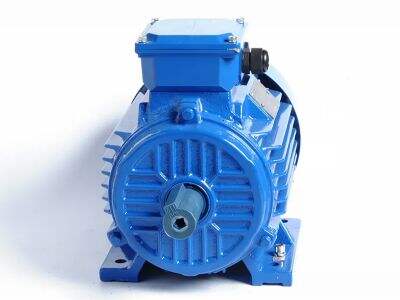
If you’ve ever tried to start up a 3 phase electric motor and it just won’t run, you’re far from alone. Many people face this problem. We understands the need for machines to work on time, every time and we understand how sometimes it just doesn’t. The first step to fixing a motor is troubleshooting the most common problems which may prevent it from starting. This post will show you how to solve such issues effectively and get your motor running.
How to Diagnose & Repair Motor Starters for Three-Phase Motors?
It can be difficult to pinpoint faults in three-phase electric motors. First, you would look for symptoms that something is amiss. If the motor won’t start, you may have no power going to it. Voltage can be checked with a multi meter. If there is no coltage you may have a power supply problem. The circuit breaker might sometimes trip. Turn the switch to the on position and check for motor response. If that still doesn’t fix the problem, it could be the motor after all. Listen closely. If you hear humming but the motor doesn’t turn, it might be jammed or locked. That would be the case if something were impeding its movement through that tube. Just make sure there’s nobody in the way.
Next, look for loose wires and to make sure no connections have come undone. Occasionally, a wire can loosen and not allow the motor to receive enough electricity. Check all wires and connections for tightness. Another common issue is overheating. If you feel the motor and it’s hot to the touch, it may be running too long or the cooling system could be failing. If there is a thermal overload switch on the motor, it could be tripped. Allow the motor to cool-off and then try again.
Also, check for signs of wear. For instance, if you observe burnt areas on the windings then that may be a concerning sign. And the motor’s age should also be taken into account. Older motors can also contain parts that work less efficiently than they once did. Recognizing these reasons can help you catch starting issues before they become worse.
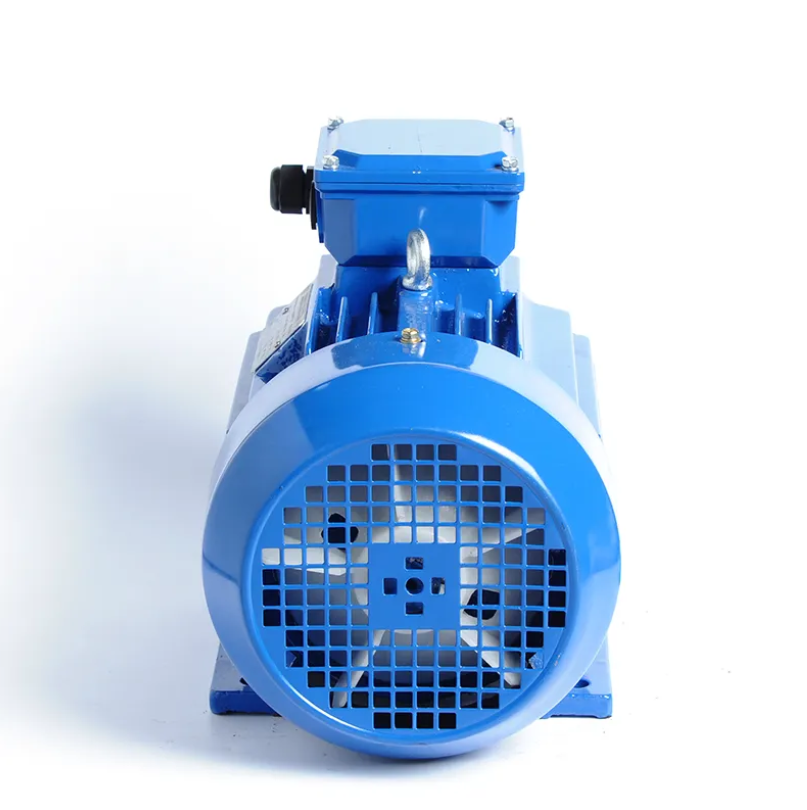
How to Troubleshoot Three Phase Electric Motors?
Diagnosing faults in a three-phase motor can be a difficult task, but it does get easier with time. Here are some things you can check after you have the above taken care of: First, look at the power supply. As stated, ensure the motor is getting power at the proper voltage. You'll have to check the voltage on all 3 legs with a multimeter. They should all be similar. If one of the phases is lower, that may be an issue. This is possible because of a damaged power line or connections. If all of this reads normal, the windings in the motor need to be checked. With the multimeter, check for continuity as well. If you get no reading, there’s a break somewhere in the windings.
Next you want to look at the motor starter and overload relay. This part guards your motor from debris. If they are bad, the motor may not start. Test them to confirm they are functioning correctly. If these components are bad, you might have to replace them. You also want to look at the caps, if any. Start windings are used and capacitors assist in the start up of the motor and when bad, the motor may not start at all.
If you’re still not able to find the issue, check on the control circuit next. The problem may be in your control panel or switches. Make certain that you test everything. Check for any blown fuses or popped breakers. Replace any defective parts if you find them.
Diagnosing those electrical problems can be difficult, however it doesn’t need to be impossible. And always think safety first! (If you’re uncomfortable working with electricity, of course, it may be time to call a professional.) We, at HONGMA, feel that knowing how to diagnose these problems could save you hours of frustration in troubleshooting and repairing your equipment.
Three-Phase Electric Motor Troubleshooting As A Wholesale Buyer, Here’s What You Need To Know
When you purchase three phase electric motors for your commercial property, it’s essential to understand how to repair them when they fail to start. Lots of factories and big machines have these motors. When things aren’t designed or structured properly, your work can get very slow. For starters, realize that a three phase motor simply “pulls” from three wires to get power. If the 3 phase electric motor will not start is one wire does not work at the motor. Always be sure all three wires are hooked up and operational. If you notice any loose wires or a broken connection, it could be the root issue.
The power supply of the motor is another item to look at. Verify that the motor is receiving the correct amount of electricity. This means checking the voltage. If the voltage is under or over this value, the motor may not start. You should be able to measure the voltage using a multimeter. If the voltage is not right, repair the power supply or consult an electrician.
It’s possible, also that the motor is at fault. Isn’t damaged or broken for things like charred pieces and odd noises. If smoke, or an odor of burning becomes noticeable discontinue use of the motor immediately! It might be getting too hot or shorting out. If you do not know what to look for, it is better to have a professional take a look.
Keep in mind, too, that proper maintenance can prevent problems. Wipe the motor with a dry cloth remove any dust or dirt. “Then it will run better and longer. At HONGMA, were rooting for your success and we believe you can figure out how to service these motors! Understanding these preliminary steps will eventually save you time as well as money.
Preventing Electric Motor Overload on Moving Industrial Equipment
It all starts by adding electric motor cooling fans and a lightweight aluminum fan cover to the motors. Overheating is an issue that plagues electric motors because they are three-phase. If you let a motor get too hot, it can either stop working or be destroyed. And if you do feel that your motor is too hot to handle, there are steps you can take. First determine if the motor is overloaded. This suggests that it may be attempting to run too hard. If you have given the motor more load than it was designed to handle, then it can overheat. You may need either to decrease load or use a motor that can handle the work with bigger size.
The lack of proper ventilation may also cause the device to overheat. Motors need air to cool down. If the air isn’t allowed to circulate around the motor, it can overheat. Ensure that around the motor there is good airflow. If the motor is in a container, try adding a fan or moving it to a cooler area.
In some instances the motor may have issues internally, such as worn bearings. Bearings are what keeps your motor turning nicely. If they’re damaged or bloated, the motor has to work harder, which can lead it to overheat. You should “check” and replace the bearings if needed.
Finally, check the electrical connections. Poor connections can lead to resistance, which generates heat. Make sure all wires are connected correctly and not left hanging. If you see any broken looking wires, replace them. Here at HONGMA, we believe that getting the information you need to know can help you in keeping your motors working properly. Following these guidelines can help avoid overheating and stay productive without interruptions.
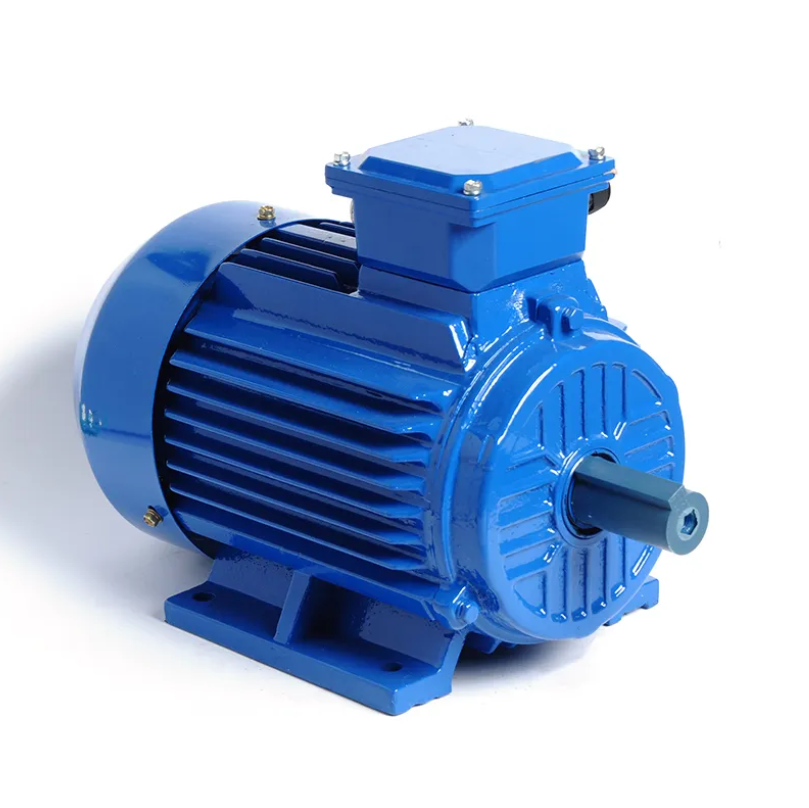
What Instruments are Needed for 3-Phase Motor Analysis?
When it comes to diagnosing 3 phase electric motor problems, there really are no “bells and whistles.” You don’t need a lot of fancy equipment, but a few basic tools can make easy work easier. One of the best is a multimeter. You can test the voltage, current and resistance with the help of multimeter. This is very important in order to see whether the motor is receiving enough power and if the connections are correct.
A set of screwdrivers is another useful tool. You will need separate screwdrivers to open up the motor for inspection of its parts. Occasionally you’ll come across loose screws or wires that could use a bit of tightening. With a good set of screwdrivers, you can get right to the problem.
And you’ll want some pliers too. Pliers are handy for holding wire and sending it a-coiling. If you find any broken wires, simply cut and strip the two wires together, so you can connect them again.
You can also use a thermal camera to determine whether parts are overheating, without touching them. It reveals where the heat is radiating from, so you pay attention to those spots. If you don’t have a thermal camera, an inexpensive infrared thermometer can do the trick.
And finally, always a good flashlight. Motors are, after all, sometimes in dark places where you want to be able clearly see trouble. Using a flashlight, inspect of the motor and look for any signs of wear or damage.
We at HONGMA would like to make sure you have what it takes to trouble shoot your motors. As long as you have the right tools on hand, you can be back in business fast and even stronger than before with minimal downtime.