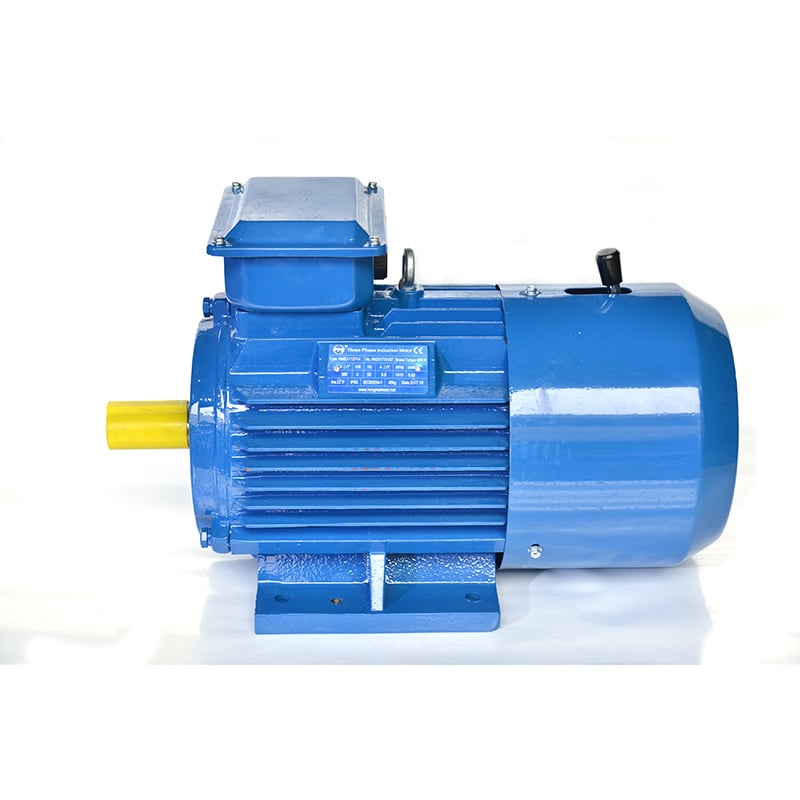
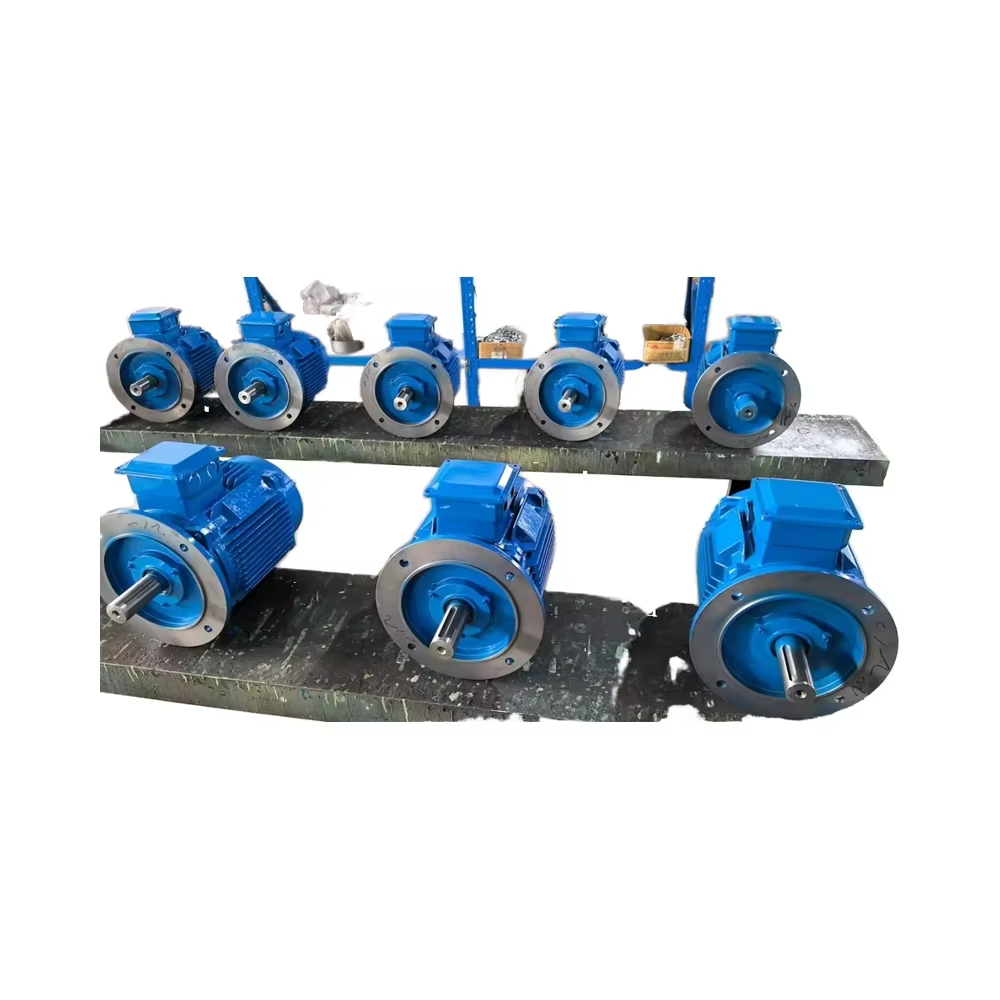
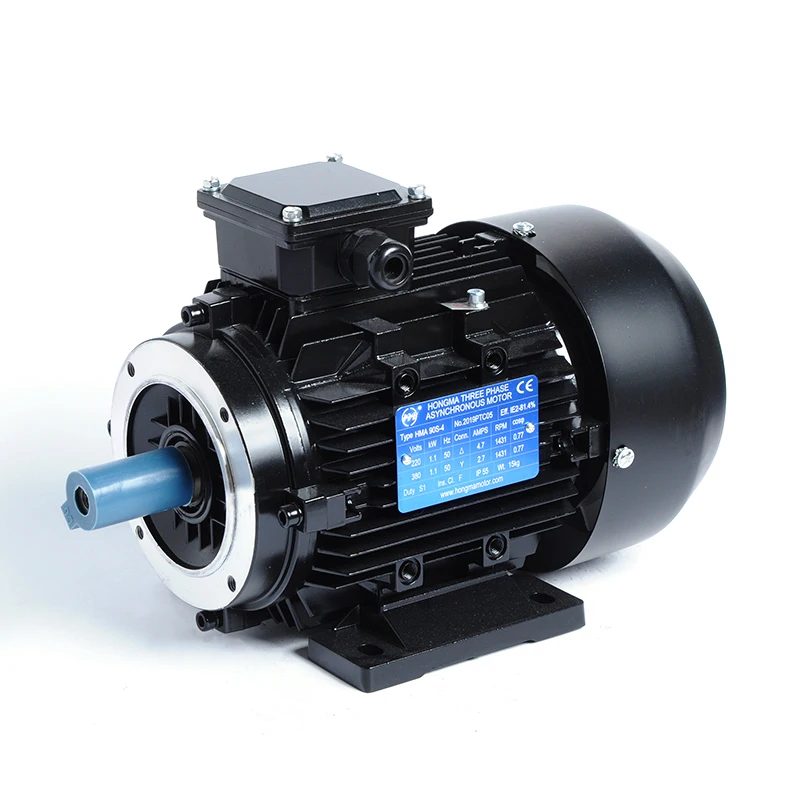
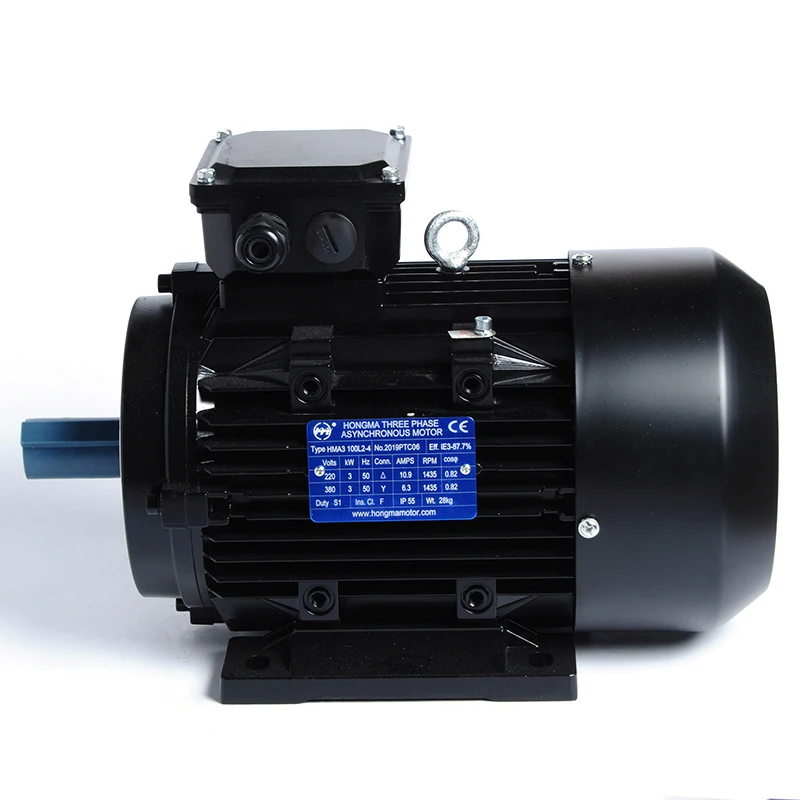
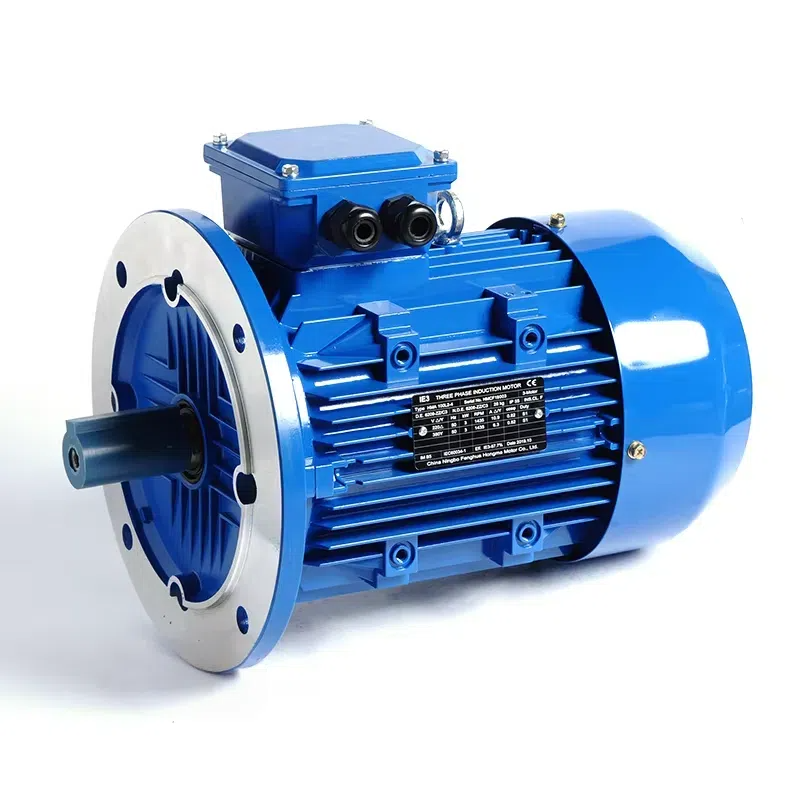
Synchronous three-phase machines are a vital tool that drives much of the practical, modern, daily used equipment. In this post,we will take a closer look at what three-phase synchronous machines are – including how they work, their advantages, applications, the difference between induction machines and three phase machines, as well as maintaining the former.
Three-phase synchronous machines are electrical pieces of equipment that convert me-chanical energy into electrical energy. They are "synchronous" because speed of the rotating magnetic field in the stator is the same as that of the rotor.
Synchronous machines operate based on three wires in the stator that are excited by a three phase power supply. As the rotor turns as a result of an external force, it generates a magnetic field. It interacts with the magnetic field generated by the stator wires. This interaction makes electricity, which, in turn, can be used to power things.
The advantage of three phase synchronous machines. They operate very efficiently, have a high power factor and can be run at a constant speed. Its machines are commonly found in factories for generators, compressors and motors.
There is a major difference between the way 3-phase synchronous machines and 3-phase induction machines pick up the rotating magnetic field. The rotor produces the magnetic field in synchronous machines, whereas the stator does in induction machines. Also, synchronous machines run at constant speed while induction machines can be of variable speed.
As with all other equipment, three phase synchronous machines must be maintained periodically to ensure optimum performance. And that involves alles — checking for loose connections, keeping the machines clean and ensuring that bearings are properly lubricated. If anything goes wrong, if people notice strange noises or vibrations, it’s important to make repairs quickly in order to prevent further damage.


Copyright © Ningbo Fenghua Hongma Motor Co., Ltd. All Rights Reserved - Privacy Policy - Blog
 EN
EN