
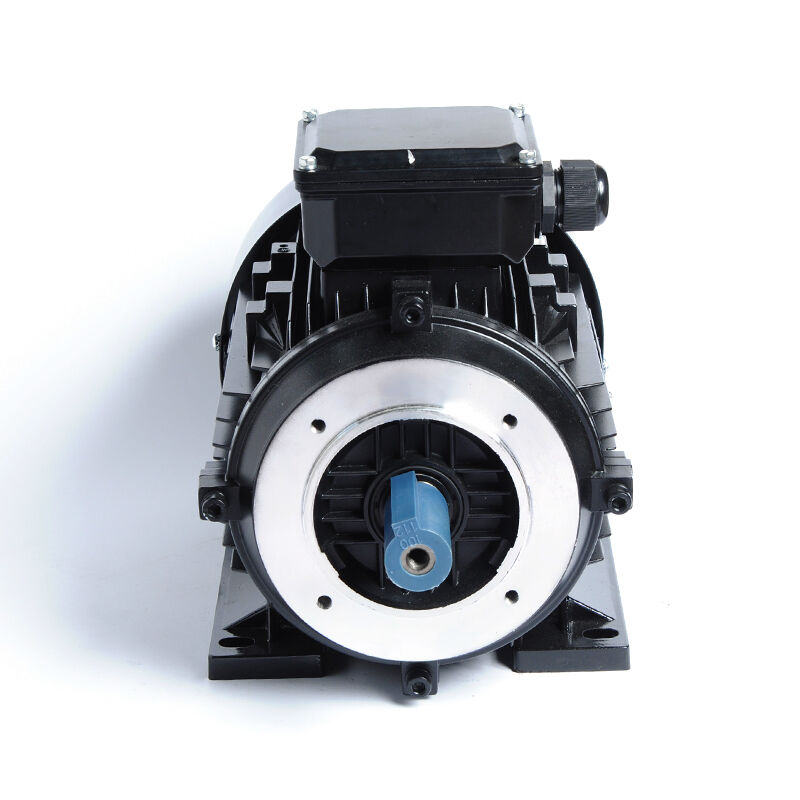
Many machines and tools require electric motors. Having a spare slow speed asynchronous electric motor will be meaningless if you do not properly retain it. Water can cause damage to the motor, causing it to stop. At HONGMA, we understand how to protect motors from getting the moisture prone! Now let’s discuss how to storage your motor.
Protecting Your Asynchronous Electric Motor From Moisture Damage
If you want to protect your asynchronous electric motor from the moisture, let’s clean it first. Dust and grime can trap moisture on the handset, so give it a once-over with a soft cloth. Just don’t leave any oil or grease on it. After you have cleaned it, allow the motor to sit for a couple of hours in a dry location so that it is completely dry. You can also place a moisture absorber, such as silica gel packs inside the case around the motor to help keep the air dry. First, put these packs down near the motor where you’re keeping it. It is also a good idea to cover the motor with a plastic cover or bag. This will also help protect from unwanted moisture and dust. But be careful! Not too tight, as the moisture could be trapped inside. If you’re in a very humid environment, it would be worthwhile placing a dehumidifier in the storage room. This thing can pull moisture out of the air and keep everything dry. It’s a good idea to check the motor every few weeks. Check to see if there is any rust or corrosion. And if you see signs of it, clean such buildup off and dry the motor quickly. And lastly, don't forget to store your motor away from areas of direct sunlight and heat. There can be issues caused by high heat as well. Here are some of the measures that HONGMA suggests so that your engine is in excellent condition when you need it next time.
Asynchronous Electric Motors: Where Should They Be Stored To Last?
To find the best place to store your asynchronous electric motor is essential, if you want it to last for a long time. Start by finding a cool, dry location. A basement or storage area typically works well as long as it’s not damp. Ensure circulation is good in the area. Do not put the motor in a closet or box with no air flow. When moisture can’t circulate, it may accumulate. You may also consider placing the engine on a shelf, rather than directly on the floor. This raises it and keeps it off potential water spillage or leaks. If you must store it in a garage, make sure the garage is well-ventilated and does not become excessively hot during the summer. Also, avoid the motor and chemicals or anything that can do harm to it. For instance, oil derived from tools can also harm the casing of the motor. If you have more than one, keep them separate and label as necessary. That way, you know which is which when it comes to power up. Finally, make a habit of checking the storage area for damp. If you see any moisture, act quickly to address it. HONGMA thinks these small efforts can help keep your electric motor from harm.
Which Electric Motor Storage Moisture Control Techniques Are Most Effective?
It’s important to protect your extra asynchronous electric motor from water, so when you put it into storage room, make sure that it’s not a watery place. Moisture is the enemy, because it can lead to rust and other issues that can ruin motor. The best way to prevent moisture is to store the motor in a dry area. You can use a storage room or a garage, as long as it’s not damp. If you live in an area that’s very rainy or humid, it might be a good idea to use a dehumidifier. A dehumidifier draws the moisture out of the air, which is important for helping everything to stay dry. You can also apply silica gel packs. This small packs act as a moisture sponge and can be placed in the storage box of the motor. Just be sure to check them and replace when they fill up. Another great tip is to encase the motor in a plastic dust cover or custom moisture cover. This gives an extra moist resistive barrier to water. If possible, you should also clean the motor before you to it away. Dust and grime trap moisture, so a clean motor keeps the machine dry. Finally, it’s good if the motor can be stored off the ground. A pair of shelves or pallets will do to raise it. That way, if any water's on the floor, it won't soak through to the motor. By implementing these moisture control techniques, you can help to preserve your spare asynchronous electric motor and ready it for use when required.
What Are Some Common Problems With Storage Of Asynchronous Electric Motors?
There are a few things to look out for when you have stored an asynchronous electric motor. First, check for rust. The motor’s metal parts can oxidize when water gets inside. If there is any rust, be sure to wash it off immediately. You can remove it with a rust remover or sandpaper. Another thing to be on the lookout for is dust and dirt. A dirty motor can act as a sponge for moisture and cause it to short. Inspect the motor on a routine basis for dust and wipe it with a soft cloth. You’ll want to listen as well for any unusual sounds. Any strange noises when you remove the motor from storage can be a sign of trouble, he added. You may also wish to inspect the wiring for potential wear and tear. If the wires appear frayed or broken, it is a good idea to fix them before working with the motor. And last of all, smell for anything that doesn't smell right. The smell of something burning is an indication that there might be a problem with the motor. If you see any of these, address them before running the motor again. By watching for these pain points, you can ensure your spare asynchronous electric motor stays in good working order. With periodic checks and just a little bit of care, you can make sure your motor is safe and ready to use.
Where is the Best Place to Get High-Quality Spare Asynchronous Electric Motors on Wholesale?
As recently as some years ago, it was challenging getting quality spare asynchronous electric motors for bulk purchase. The internet is a great place to start. There are several sites where you can locate engines at wholesale prices. Be sure to read the reviews and consult ratings from other customers. This can help you identify trustworthy sellers. Another option that is also good is to get over to the local suppliers or electrical stores in your area. Many times they will have a couple different types of motors and can ask you the right questions to help pick the one that's best for you. Be sure to ask about the motors when visiting these shops. You may want to inquire about brand, quality, and warranty information. A company such as HONGMA are good at supplying high quality motors, so getting their products can also be a wise decision. You can also visit trade shows or industry expos. The events bring many suppliers and manufacturers together under one roof. It’s a nice way to check out new motors and talk, eye-to-eye, with those who make them. You could also network with other businesses who utilise these electric motors. They may have leads on where to purchase. Finally, join some of the many online forums and networking groups that are available for those interested in electric motors. There are also members on the site who often share with one another where to find motors for sale in bulk. When you consider these choices, you’re likely to find the right spare industrial asynchronous motors at a price that can work for your project.