
hongma@hongmamotor.com
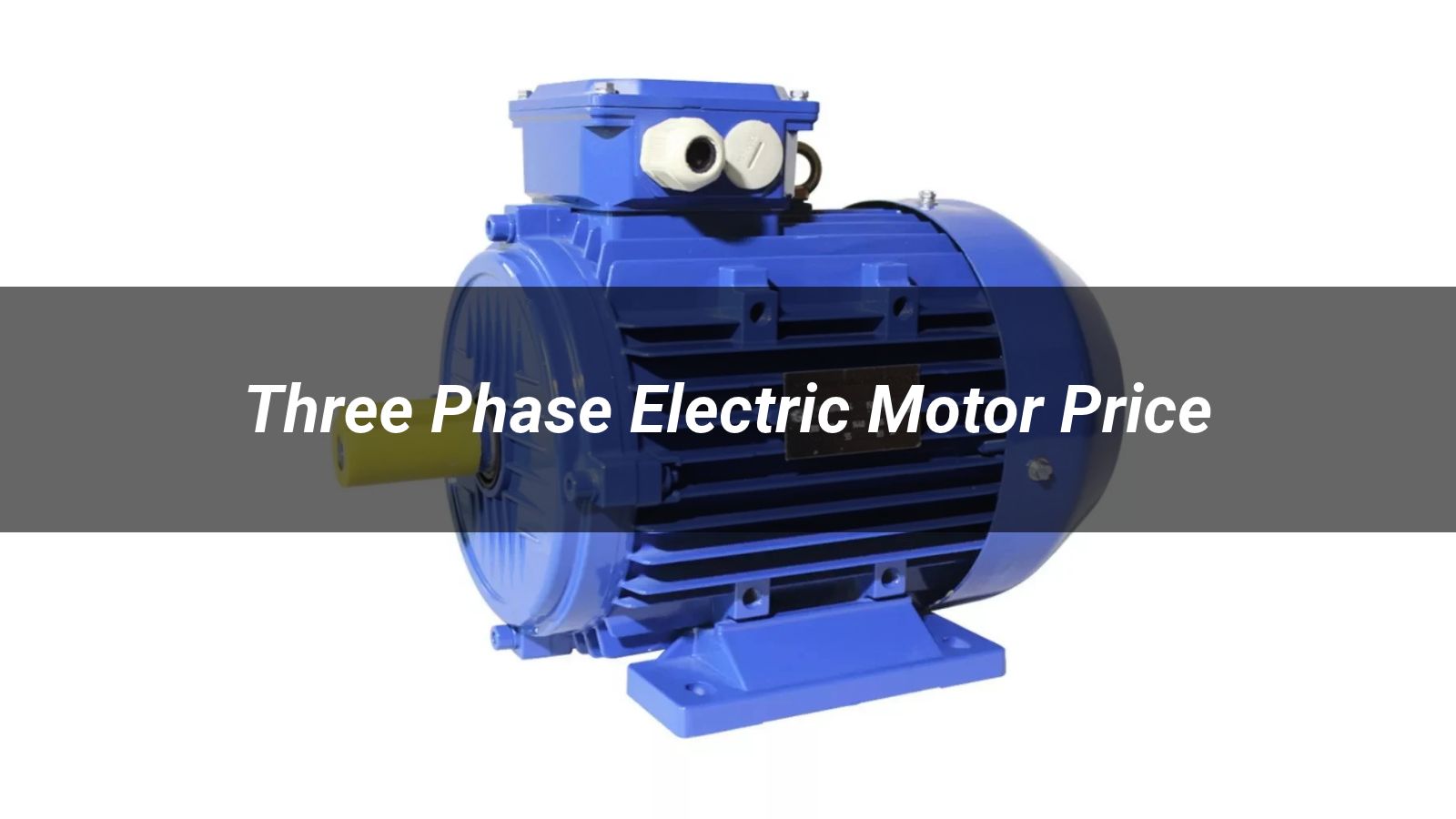
Three phase electric motor prices vary by horsepower, motor type, efficiency class, and brand. As industrial buyers increasingly consider energy efficiency and long-term operating costs, comparing technical specifications is just as important as comparing upfront prices. U.S. producer price data also provides a useful reference for tracking broader motor and generator price movements.
For standard industrial applications, the right price depends on motor size, performance requirements, and purchasing terms. This guide helps you compare estimated prices by HP, type, and brand, while understanding the factors that influence a final quote. It is designed for:
Explore the price ranges, key specifications, and buying considerations to choose a three phase electric motor that balances upfront cost, reliability, and energy efficiency. Read on to find the right option for your application.
The three phase electric motor price varies depending on motor power, speed, efficiency, materials, and brand. Small motors are commonly used in pumps and compact machinery, while higher-power models support demanding industrial applications.
The table below provides indicative budget estimates in USD for standard industrial three phase motors. Actual prices depend on specifications, order quantity, manufacturer, and shipping terms.
| Motor Power | Rated Power (kW) | Typical Speed (RPM) | Estimated Price (USD) |
|---|---|---|---|
| 0.5 HP | 0.37 kW | 1450 / 2900 | $60–$120 |
| 1 HP | 0.75 kW | 1450 / 2900 | $70–$150 |
| 1.5 HP | 1.1 kW | 1450 / 2900 | $85–$180 |
| 2 HP | 1.5 kW | 1450 / 2900 | $100–$220 |
| 3 HP | 2.2 kW | 1450 / 2900 | $120–$280 |
| 4 HP | 3 kW | 1450 / 2900 | $150–$330 |
| 5 HP | 3.7 kW | 1450 / 2900 | $180–$400 |
| 7.5 HP | 5.5 kW | 1450 / 2900 | $250–$550 |
| 10 HP | 7.5 kW | 1450 / 2900 | $320–$700 |
| 15 HP | 11 kW | 1450 / 2900 | $450–$950 |
| 20 HP | 15 kW | 1450 / 2900 | $600–$1,300 |
| 25 HP | 18.5 kW | 1450 / 2900 | $750–$1,600 |
These figures are preliminary estimates, not verified live market prices or binding offers. They assume standard industrial motors and exclude shipping, import duties, and applicable taxes. Premium efficiency classes, special enclosures, and customized designs may cost more.
Example: A manufacturer replacing a 3 HP motor on a conveyor may start with a standard model to estimate the equipment budget. If the application requires IE3 efficiency, a specific mounting configuration, or a special operating speed, the final price may be higher. Comparing motors with the same specifications gives a more reliable result.
Motor speed also affects selection. On a 50 Hz supply, four-pole motors typically run near 1450 RPM, while two-pole motors typically run near 2900 RPM. Actual rated speeds vary by design and load. Motors around 960 RPM are also available for applications requiring lower speed.
A 3 phase 3 hp motor price is generally lower than that of a comparable 7.5 HP or 10 HP motor. Higher-power models typically require more materials and larger components.
For example, a 1 HP motor may be sufficient for a small machine, while a 10 HP motor may be more appropriate for a larger pump or compressor. Always check the equipment load, starting requirements, and operating conditions before selecting a motor.
For an accurate quotation, provide the required HP or kW, voltage, frequency, RPM, mounting type, efficiency class, and order quantity. These details help identify a suitable motor and clarify the final cost.
The price of a three phase motor varies by motor design, performance, and manufacturer. A standard induction motor is often a cost-effective choice for general industrial equipment, while synchronous motors, permanent magnet motors, and geared motors serve more specialized applications.
When comparing prices, consider both the initial purchase cost and the motor's operating requirements. The following guide explains the main differences between motor types and brands.
Different motor types offer different combinations of cost, speed control, torque, and energy efficiency. Use the table below to identify the main factors that influence their prices.
The following prices are approximate USD estimates for standard industrial motors. Actual prices vary by power rating, efficiency, speed, construction, and supplier. These figures are budgeting references, not verified live quotes.
| Motor Type | Common Applications | Approximate Price (USD) | Main Price Factors |
|---|---|---|---|
| Three Phase Induction Motor | Pumps, fans, compressors, conveyors | $100–$700 (1–10 HP) | Power, efficiency, speed, enclosure |
| Squirrel Cage Induction Motor | Industrial machinery and general-purpose drives | $100–$800 (1–10 HP) | Rated output, construction, efficiency class |
| Three Phase Synchronous Motor | Constant-speed drives and specialized industrial systems | $500–$3,000+ (small industrial models) | Excitation system, controls, power rating |
| Permanent Magnet Synchronous Motor | High-efficiency drives and precision equipment | $300–$2,000+ (small to medium models) | Magnet materials, controller, performance requirements |
| Three Phase Gear Motor | Conveyors, mixers, packaging machinery | $150–$1,500+ (1–10 HP) | Gear ratio, output torque, gearbox type |
| Three Phase BLDC Motor | Specialized motion systems and electronically controlled equipment | $100–$1,000+ (small to medium models) | Motor design, controller, speed-control requirements |
These categories are not always directly comparable. A three phase gear motor, for example, includes a gearbox that changes output speed and torque. Its total price depends on both the motor and the gearbox specifications.
Three phase induction motors are widely used because of their practical design, reliable operation, and relatively straightforward maintenance. They are common in pumps, fans, compressors, and factory production lines.
The 3 phase induction motor price depends on horsepower, RPM, efficiency, frame size, and enclosure. For a fair comparison, check whether the quoted motor uses the same voltage, frequency, mounting arrangement, and efficiency class.
For example, a standard 3 HP induction motor and a 3 HP high-efficiency motor may have different purchase prices. The better option depends on the initial budget and expected operating hours.
A three phase gear motor combines an electric motor with a gearbox. It is suitable for applications that require lower output speeds or higher torque, such as conveyors, mixers, and material-handling equipment.
The 3 phase gear motor price depends on motor power, gear ratio, gearbox design, output shaft configuration, and required torque. A higher reduction ratio or a specialized gearbox can increase the total cost.
Selection tip: If your equipment needs a slow, steady conveyor speed, compare the required output RPM and torque rather than choosing a gear motor by horsepower alone.
Motor brands differ in product ranges, efficiency options, construction, warranty, and distribution costs. Compare exact models rather than assuming that all motors with the same horsepower have equivalent specifications.
| Brand | Product Example | Approximate Price (USD) | Price Comparison Notes |
|---|---|---|---|
| Crompton Greaves (CG Power) | 3 HP three phase induction motor | $150–$350 | Compare speed, efficiency, frame size, and enclosure. |
| Kirloskar | 3–5 HP three phase induction motor | $180–$450 | Price varies by motor series, duty rating, and efficiency. |
| Havells | 5 HP three phase squirrel cage motor | $200–$500 | Confirm voltage, RPM, efficiency class, and protection rating. |
| Lubi | 10 HP three phase induction motor | $350–$800 | Compare the exact model, mounting, and operating requirements. |
Note: All ranges above are broad estimates for article-planning purposes, not verified current prices from the named manufacturers. They exclude shipping, taxes, import duties, and installation. Obtain a current supplier quotation before making purchasing decisions.
Before choosing a supplier, compare the following details:
A lower quotation may exclude accessories or shipping, while a higher quotation may include additional services. Comparing the full supply terms helps you identify the most suitable option for your application.
The three phase electric motor price depends on several factors, including rated power, rotational speed, efficiency, housing material, and protection level. Even two motors with the same horsepower can have different prices because their designs and operating requirements differ.
Understanding these factors helps you compare motor prices more accurately and avoid paying for specifications your application does not need.
Motor power is one of the main factors affecting price. Higher-power motors generally require more copper, steel, and larger internal components, increasing manufacturing costs.
For example, a 1 HP motor may be sufficient for a small pump, while a 10 HP motor may be needed for a larger industrial compressor. The higher-power model typically costs more, but the actual price also depends on its efficiency, speed, and construction.
Motor speed affects both the design and the application. On a 50 Hz power supply, a four-pole induction motor typically runs near 1450 RPM, while a two-pole model typically runs near 2900 RPM. A six-pole motor commonly operates near 960 RPM.
For example, a conveyor may require a lower-speed motor, while a fan may need a higher-speed model. The price difference depends on the motor design and specifications, so a lower RPM does not automatically mean a higher or lower price.
Efficiency ratings can affect the initial purchase price. IE3 and IE4 motors may cost more than comparable lower-efficiency models because they are designed to reduce electrical losses.
For equipment operating many hours each day, even a small efficiency improvement can reduce electricity consumption over time.
Example: A factory running a motor for two shifts every day may benefit more from a high-efficiency model than a machine used for only a few hours per week. Compare the purchase price with the expected operating hours and electricity costs before deciding.
The motor housing and enclosure affect durability and price. Aluminum housings are lightweight and suitable for many general-purpose applications. Cast iron housings are often chosen for heavier industrial environments where mechanical robustness is important.
The IP rating also matters. An IP55 motor, for example, offers protection against dust ingress that could interfere with operation and against water jets from any direction under specified test conditions. More specialized protection may be required in harsh environments.
Three phase motors are available in different mounting configurations, including B3 foot mounting, B5 flange mounting, and B35 foot-and-flange mounting.
If you are replacing an existing motor, check the mounting dimensions, shaft diameter, and shaft height. Choosing an incompatible model may require additional brackets, couplings, or installation work, increasing the overall cost.
Brand reputation, manufacturing standards, quality control, warranty coverage, and after-sales support can all influence the price of a three phase motor.
When comparing manufacturers such as Crompton, Kirloskar, Havells, or other industrial motor suppliers, compare equivalent power ratings, RPM, efficiency classes, and mounting arrangements. A lower-priced motor is not necessarily the better value if it does not meet your operating requirements.
Order quantity can affect the unit price. Bulk purchases may qualify for volume discounts, while customized voltage, special shaft dimensions, non-standard mounting, or specific insulation requirements may increase costs.
Shipping distance, packaging, delivery terms, and applicable taxes can also affect the final purchase cost, especially for international orders.
For an accurate comparison, request a quotation using the same technical specifications and delivery terms for every supplier. This makes it easier to identify the best balance of price, performance, and long-term reliability.
Choosing the right three phase motor involves more than comparing prices or horsepower. The motor must match your equipment's load, operating speed, power supply, and working environment.
A well-matched motor can help reduce energy waste, prevent unnecessary downtime, and improve equipment reliability. Consider the following factors before placing an order.
Start by checking the power required by your equipment. Motor power is commonly expressed in horsepower (HP) or kilowatts (kW). One horsepower is approximately 0.746 kW.
For example, a small water pump may operate with a 1 HP motor, while a larger industrial pump may require 5 HP or more. The correct rating depends on the actual load, starting conditions, and equipment manufacturer's recommendations.
Avoid choosing a motor based on price alone. An undersized motor may overheat under excessive load, while an unnecessarily oversized motor can increase initial costs and operate inefficiently under some conditions.
Motor speed, measured in revolutions per minute (RPM), affects how the equipment operates. Common industrial motor speeds include approximately 960, 1440, and 2880 RPM on a 50 Hz supply.
A conveyor may require high starting torque and controlled movement. A ventilation fan may need a higher rotational speed. For applications requiring low output speed, a gear motor may be more suitable than a standard motor alone.
Always check both rated speed and required torque before comparing models with the same horsepower.
Confirm that the motor is compatible with your available three phase power supply. Common industrial supply specifications include 380–415 V at 50 Hz and 460 V at 60 Hz, although actual standards vary by country and installation.
Check the motor nameplate for rated voltage, frequency, connection type, and current. If you plan to use a variable frequency drive (VFD), confirm that the motor and drive are compatible with the intended operating range.
Practical tip: A motor rated for a different voltage or frequency may not deliver the expected speed, torque, or performance. Confirm the electrical specifications before ordering, especially for international projects.
The purchase price is only part of the total cost of owning a motor. Electricity consumption, maintenance, and operating hours can significantly affect long-term expenses.
IE3 and IE4 motors can offer improved efficiency compared with lower-efficiency alternatives of comparable ratings. They may be worth considering for equipment that runs for long periods each day.
For example, a production line operating several shifts has different energy-saving potential from a machine used occasionally. Compare the initial price difference with estimated energy savings over the expected service life.
The motor's protection rating and mounting arrangement should suit the installation environment. Dust, moisture, ambient temperature, and available space can all affect motor selection.
Common mounting options include B3 foot-mounted, B5 flange-mounted, and B35 foot-and-flange-mounted designs. If you are replacing an existing motor, compare the frame size, shaft dimensions, and mounting holes to avoid installation problems.
Once the technical requirements are clear, compare quotations from suitable manufacturers. Review the motor model, efficiency class, warranty coverage, delivery time, and after-sales support.
A lower-priced motor may be suitable for a straightforward application, while a more demanding installation may justify a higher-specification model. The best choice is the one that meets your operating requirements at a reasonable total cost.
Before requesting a quotation, prepare the motor power, RPM, voltage, frequency, mounting type, protection rating, application, and order quantity. Providing these details helps suppliers recommend a compatible motor and calculate a more accurate price.
To get an accurate three phase electric motor price, provide the supplier with clear technical specifications and order requirements. Horsepower alone is not enough to determine the final cost.
A complete inquiry helps the supplier recommend a suitable model, confirm availability, and calculate the product price, shipping costs, and delivery time.
Before requesting a quotation, confirm the key details of your application. If you are replacing an existing motor, a nameplate photo can help the supplier identify the required specifications.
| Information | Example |
|---|---|
| Rated Power | 3 HP / 2.2 kW |
| Voltage | 400 V |
| Frequency | 50 Hz |
| Rated Speed | 1440 RPM |
| Efficiency Class | IE3 |
| Mounting Type | B3 foot-mounted |
| Protection Rating | IP55 |
| Quantity | 10 units |
These are example specifications, not universal requirements. The correct values depend on your equipment, power supply, and operating environment.
The quoted motor price may not include every purchasing expense. Ask the supplier to clarify:
For international purchases, confirm the delivery destination and agreed Incoterms, such as EXW, FOB, or CIF where applicable. This helps you compare quotations on a consistent basis.
Example: Two suppliers may offer the same 5 HP motor at different prices. One quotation may cover the motor only, while the other includes export packaging or delivery to the port. Comparing the full terms helps you identify the more economical offer.
If you need a specific RPM, high-efficiency design, special mounting arrangement, or non-standard voltage, mention it in your inquiry. For larger orders, ask whether the manufacturer can provide customized specifications or volume pricing.
Providing complete information from the beginning reduces unnecessary correspondence and helps the supplier prepare a quotation that matches your requirements.
Looking for a reliable motor for your industrial application? Send your required power, speed, voltage, mounting type, and order quantity to receive a quotation tailored to your needs.
The price of a three phase electric motor depends on horsepower, motor type, efficiency rating, brand, and specifications such as voltage, speed, and mounting. Comparing these factors helps you find a motor that meets your application requirements without paying for features you do not need. For an accurate quote, provide your technical specifications, order quantity, and delivery destination rather than relying on horsepower alone.
HONGMA is a China-based electric motor manufacturer with experience dating back to 1988. Its product range includes three phase asynchronous motors across IE1 to IE5 efficiency classes, with options for different housing materials and customized requirements. If you are sourcing motors for industrial equipment, machinery, or bulk purchasing, contact HONGMA to discuss your specifications and request a tailored quotation.
Visit HONGMA’s official website to explore available motor models and submit your inquiry. Share your required power, voltage, speed, mounting type, and quantity to help the team recommend a suitable solution.
The price depends on horsepower, efficiency, motor design, and brand. For example, a 1 HP motor generally costs less than a 10 HP motor with comparable specifications. Treat online price ranges as estimates and request a current quote for an exact price.
The main factors are rated power, speed, efficiency class, housing material, protection rating, mounting type, and order quantity. A high-efficiency IE4 motor may cost more upfront than a comparable lower-efficiency model but can reduce electricity costs during long operating hours.
Provide the required horsepower or kW, voltage, frequency, speed, mounting type, protection rating, quantity, and delivery destination. For example, specify a 5.5 kW, 380 V, 50 Hz, 4-pole motor with B3 mounting and IP55 protection rather than requesting only a “5.5 kW motor.”
Yes. Manufacturers such as HONGMA offer options for voltage, frequency, mounting, and housing material, subject to the model. Confirm the available configuration with the supplier before placing your order.
Compare the exact motor specifications, quoted unit price, efficiency class, warranty, lead time, shipping terms, and applicable taxes or duties. A lower unit price does not necessarily mean a lower total purchasing cost.
Yes. HONGMA states that it accepts OEM orders. Contact the company through its official website to confirm your branding requirements, minimum order quantity, lead time, and quotation.

3 Phases Electric Motors In Lifetime Of Conveyor Systems Three-phase electric motors have a great deal to do with how well conveyor systems perform. They help the machines to run smoothly and efficiently. Our company, HONGMA, understands the necessit...

If you need special electric motors for your company. We have it at HONGMA! Our three-phase electric motors are awesome and help your company achieve success. “If you’re an engineer for a machine that has a motor,” asks Rainer Hessmer, “you’d be look...

Asynchronous electric motors are revolutionizing the way business is done. They help machines operate smoothly and avoid wasting energy. HONGMA is one company that is at the forefront of this transformation. Here’s how these motors are employed in fa...